
 Leopard sightings
Yala National Park
Southeastern coast, Sri Lanka
Yala is Sri Lanka's most visited national park and is widely cited as having one of the highest densities of leopards of any protected area in the world.
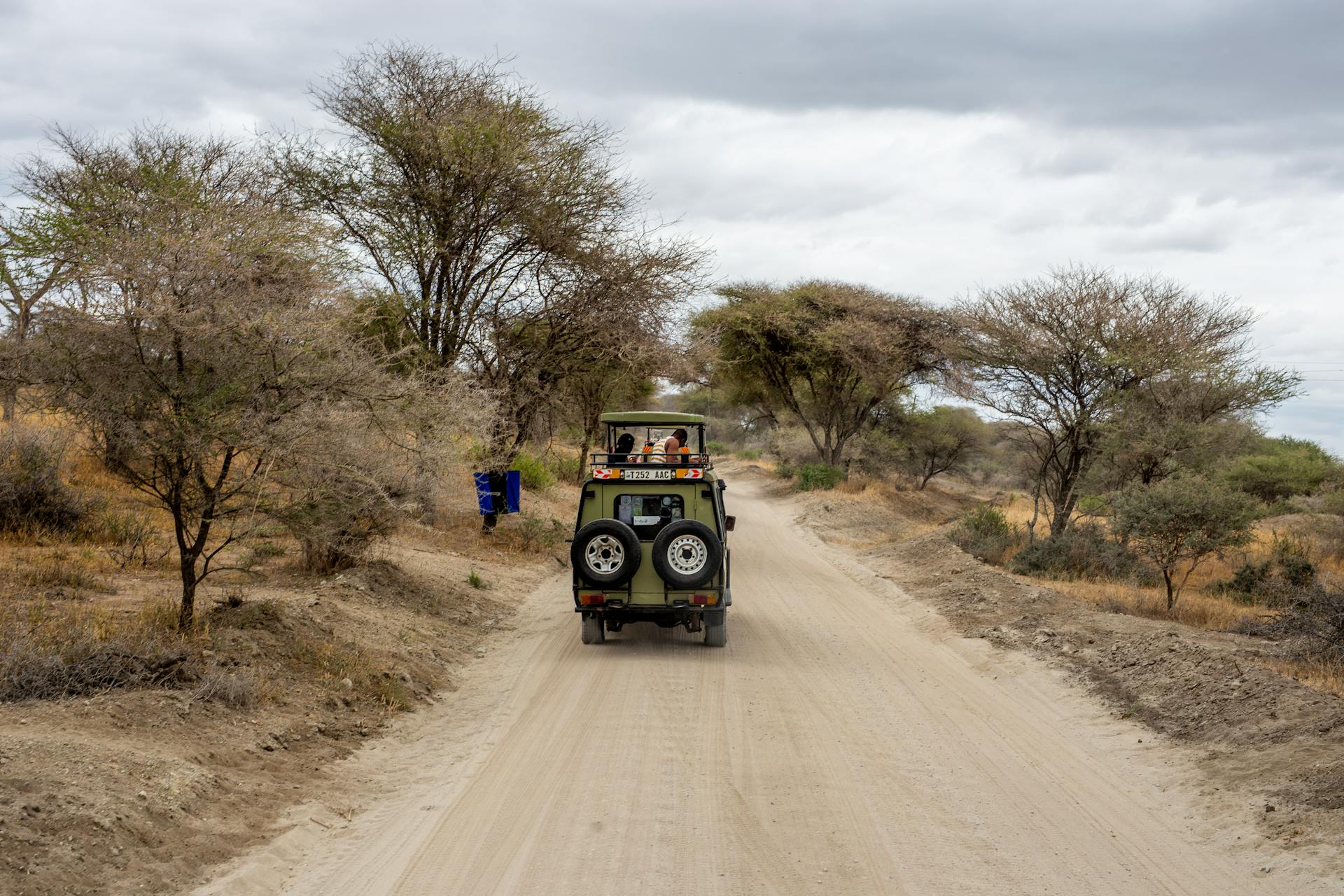
Wildlife & National Parks
Discover Sri Lanka’s wild side through unforgettable national park safaris.
Wild Sri Lanka
From leopards moving through dry-zone scrub to elephant herds gathering at ancient reservoirs, Sri Lanka packs an extraordinary range of wildlife into a small island. Sightings of any wild animal are never guaranteed — these are free-roaming animals in open parks, not enclosures — but the island's national parks commonly offer some of the best wildlife-watching opportunities in Asia, spanning big cats, elephants, primates, reptiles and some of the richest birdlife in the region.
Land Safaris
Seven national parks, each with its own character — from leopard country to elephant gatherings to birdwatching wetlands. Tap a card to open the full details for that park.
Leopard sightings
Southeastern coast, Sri Lanka
Yala is Sri Lanka's most visited national park and is widely cited as having one of the highest densities of leopards of any protected area in the world.
 Elephant sightings
Southern lowlands, on the border of Sabaragamuwa and Uva provinces
Built around the Udawalawe reservoir, this park is considered one of the most reliable places in Sri Lanka to see wild elephants, and is also home to the Elephant Transit Home, which rehabilitates orphaned calves nearby.
 The Elephant Gathering
North Central Province, Cultural Triangle area
Minneriya is best known for “The Gathering” — one of the largest recorded seasonal congregations of wild Asian elephants anywhere in the world, drawn to the grass banks exposed as the Minneriya reservoir shrinks in the dry season.
 Leopards & wilderness
North-western coast, Sri Lanka
Wilpattu is Sri Lanka's largest national park by area and is named for its “villus” — natural, rain-fed lakes scattered through dense dry-zone forest — giving it a wilder, quieter character than the busier southern parks.
 Birdwatching & wetlands
Southern coast, near Hambantota
Bundala is a Ramsar-listed wetland of international importance, and its chain of lagoons is one of Sri Lanka's most significant sites for migratory and resident waterbirds, including flocks of greater flamingos.
 Bird photography
Southeast coast, adjoining Yala's eastern boundary
Kumana (formerly known as Yala East) is one of Sri Lanka's most important bird sanctuaries, especially valued for the nesting colonies of migratory waterbirds at the Kumana wetland (Kumana Villu).
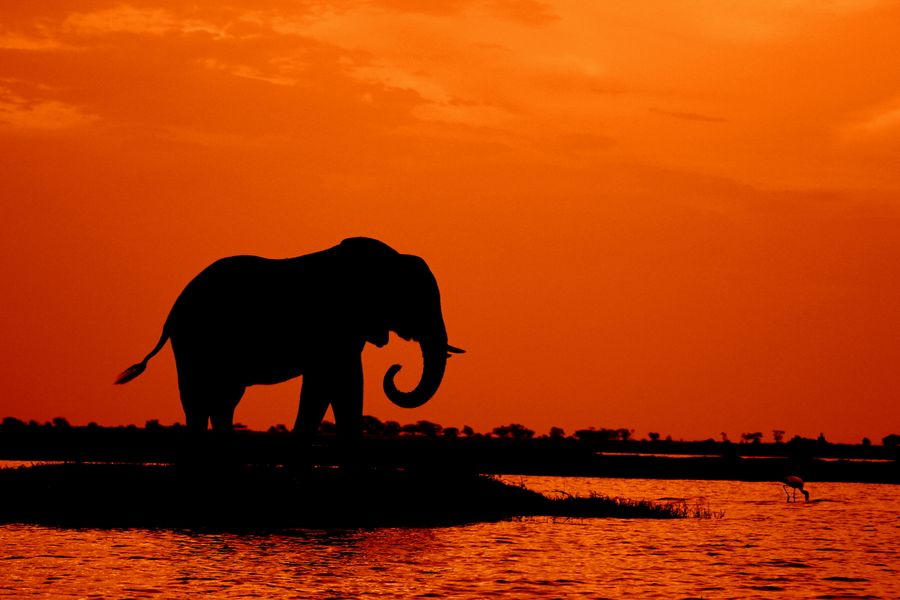 Elephant corridor & quieter safaris
Between Yala and Udawalawe, southern Sri Lanka
Lunugamvehera National Park sits between Udawalawe and Yala and plays an important ecological role as a corridor that allows elephants to move between the two larger parks.
Yala National Park, on the island's southeast coast, is Sri Lanka's best-known safari destination. Its dry-zone scrub jungle, rocky outcrops, lagoons and grassland support one of the country's richest concentrations of wildlife, and Block I in particular draws visitors hoping for a leopard sighting.
Yala is the park most associated with the Sri Lankan leopard, a subspecies found only on this island. Alongside leopards, the park is also home to elephants, sloth bears, spotted deer, crocodiles and abundant birdlife around its lagoons — giving a safari here a good chance of a varied wildlife day even without a leopard sighting.
Recommended pacing: Half-Day or Full-Day. Best time to visit: Feb–Jun (dry season) generally offers easier wildlife viewing; the park also has an annual multi-week closure (commonly around Sep–Oct) for the dry season, so dates are always worth confirming before you travel.
Yala is widely regarded as one of the best places in the world to look for leopards, though as with any wild animal, a sighting is never guaranteed.
Elephants are frequently spotted around waterholes and open grassland, especially in the cooler early-morning hours.
Sloth bears are shy and mostly active at dawn, dusk and night, so sightings are less predictable than leopards or elephants.
Large herds graze throughout the park and are among the most reliably encountered mammals.
Udawalawe National Park surrounds the Udawalawe reservoir and is one of Sri Lanka's most dependable destinations for elephant encounters, thanks to open grassland and scrub that make sightings easier than in denser forest parks.
For travelers whose main goal is seeing wild Asian elephants, Udawalawe's open terrain gives some of the best visibility of any Sri Lankan park. The park also supports water buffalo, deer and strong birdlife around the reservoir margins.
Recommended pacing: Half-Day or Full-Day. Best time to visit: The park is open year-round and the reservoir grasslands draw elephants throughout the year, though the drier months typically make viewing easier as animals gather near remaining water sources.
Udawalawe is considered one of the most consistent parks in Sri Lanka for elephant sightings, particularly around the reservoir and open grassland.
Buffalo are frequently seen wallowing near the reservoir margins and grazing on the open plains.
Deer graze the grassland in good numbers and are one of the more easily encountered species.
Birds of prey are regularly seen perched or circling over the open plains, though which species appear varies by visit.
Built around the ancient Minneriya reservoir (a reservoir dating back to the 3rd century), this park is famous for the seasonal congregation of elephants that gather on the exposed reservoir banks to graze and drink as water levels fall.
If your main interest is elephants in large numbers rather than a single sighting, Minneriya's seasonal Gathering is one of Sri Lanka's signature wildlife spectacles. Outside the Gathering season the park still supports resident elephants, deer and strong birdlife.
Recommended pacing: Half-Day (afternoon safaris are typical for viewing the Gathering). Best time to visit: Roughly Jun–Sep, in the dry months leading into the northeast monsoon, is when the largest congregations around the receding Minneriya reservoir are typically reported — commonly referred to as “The Gathering.” Timing shifts with rainfall each year.
During the Gathering season, large numbers of elephants are commonly seen on the reservoir grassland; outside that window, sightings are more variable and depend on the day.
Buffalo frequently share the reservoir margins with elephants and other grazers.
Deer are regularly seen at the forest edges around the reservoir.
Peacocks are frequently spotted along the park's tracks and open areas.
Wilpattu takes its name from the Sinhala word for the natural lakes (villus) found throughout its dense dry-zone forest. It is Sri Lanka's largest national park by area, with a lower density of visitor vehicles than Yala, making for a quieter, more wilderness-focused safari experience.
For travelers who want a genuine sense of wilderness alongside a real chance of a leopard sighting, Wilpattu combines the same species as Yala — leopard, sloth bear, elephant — with significantly fewer other visitors and a distinctive villu landscape.
Recommended pacing: Full-Day (the park's larger size and longer entry drive typically suit full-day visits). Best time to visit: The dry season, roughly Feb–Sep, generally offers easier access and viewing; the park can partially close during the northeast monsoon (around Oct–Jan), so it's worth confirming access ahead of a visit.
Wilpattu has long been studied for its leopard population and offers a real opportunity for a sighting, in a quieter setting than the more visited southern parks.
As elsewhere in Sri Lanka, sloth bears are shy and mostly crepuscular or nocturnal, so sightings depend on timing and luck.
Elephants are regularly encountered around the villus, especially early and late in the day.
Sri Lanka's largest deer species is frequently seen near the forest edges around the lakes.
Bundala National Park protects a coastal chain of lagoons and dunes recognized under the Ramsar Convention as a wetland of international importance. It is one of the most important sites in Sri Lanka for both resident and migratory water birds.
Birdwatchers and photographers come to Bundala for its lagoon-based birdlife rather than big-mammal sightings — flamingos, pelicans and storks are the stars here, alongside crocodiles in the water and deer along the shore.
Recommended pacing: Half-Day. Best time to visit: Bundala is best known for migratory birdlife, with the northern winter months (roughly Sep–Mar) typically bringing the highest numbers of migratory waterbirds to its lagoons.
Flocks of flamingos are a highlight of Bundala's lagoons, particularly during the migratory season, though numbers vary year to year.
Pelicans are regularly seen fishing and resting along the lagoon margins.
Storks are frequently spotted wading in the shallows, especially during the northern winter migratory months.
Crocodiles are present in Bundala's lagoons and are sometimes seen basking along the water's edge.
Kumana National Park adjoins Yala's eastern side and is quieter and less visited, with its reputation built on birdlife rather than big cats. The Kumana wetland is a nationally significant nesting site for a wide range of waterbirds.
For serious birders and photographers, Kumana's wetland nesting colonies are one of the best reasons in Sri Lanka to prioritize birdlife over mammal sightings, in a park that sees far fewer vehicles than Yala.
Recommended pacing: Half-Day or Full-Day. Best time to visit: The Kumana wetland is best known for its nesting and migratory waterbird activity roughly between Apr–Jul, alongside the general dry-season window that suits most Sri Lankan parks.
Painted storks are one of the signature nesting species at the Kumana wetland during the nesting season.
Pelicans are frequently recorded among the wetland's colonial waterbirds.
Birds of prey are seen over the wetland and surrounding scrub, though specific species vary by visit.
Elephants pass through Kumana as they do the wider Yala complex, though sightings are less frequent than in Yala's more visited blocks.
Established around the Lunugamvehera reservoir, this park was created in part to protect the elephant corridor connecting Udawalawe and Yala. It receives far fewer visitors than its more famous neighbours, making it an option for travelers who want a quieter safari.
Lunugamvehera suits travelers who want a genuine wildlife safari without the vehicle numbers of Yala, and who are interested in the corridor's ecological role alongside its own resident wildlife.
Recommended pacing: Half-Day. Best time to visit: The general dry-season window (roughly Feb–Jun) tends to make wildlife easier to view here, as in most southern Sri Lankan parks.
Elephants use the park as part of a wider corridor between Udawalawe and Yala, so sightings vary depending on seasonal movement.
Buffalo are regularly seen around the reservoir margins.
Jackals are present in the park's scrub habitat, though as a smaller, shyer species they are seen less predictably than larger grazers.
Beyond Land Safaris
These are boat-based marine experiences, kept separate from the land safaris above — a different kind of Sri Lankan wildlife encounter, from coral reefs to open-ocean whale watching.
 Marine Wildlife
Off Nilaveli, near Trincomalee, east coast
Pigeon Island National Park, off Nilaveli on the east coast, protects a shallow coral reef that is one of Sri Lanka's most accessible…
 Marine Wildlife
Mirissa (south coast) or Trincomalee (east coast), season-dependent
Sri Lanka is one of the few places in the world where blue whales are regularly reported close to shore. Mirissa on the south coast and…
Pigeon Island National Park, off Nilaveli on the east coast, protects a shallow coral reef that is one of Sri Lanka's most accessible snorkeling sites. It is a marine park, entirely separate from the island's land-based safari parks, and is reached by a short boat transfer rather than a jeep.
Boat transfer + guided snorkeling · Half-Day · Best season: The east coast's calmer sea conditions are generally found roughly May–Sep, outside the southwest monsoon.
Sri Lanka is one of the few places in the world where blue whales are regularly reported close to shore. Mirissa on the south coast and Trincomalee on the east coast run boat-based whale and dolphin watching trips in their respective seasons, entirely separate from the island's land safaris.
Boat-based marine excursion · Half-Day (typically a morning departure) · Best season: Mirissa's season generally runs Nov–Apr, and Trincomalee's May–Sep — the two coasts complement each other across the year, though sightings on any given trip are never guaranteed.
Species Guide
A guide to mammals, birds, reptiles and marine life found across Sri Lanka's safari destinations. Sightings vary by park, season and visit — nothing here is a guarantee.

An endemic subspecies found only in Sri Lanka, and the island's apex predator. Best known for its association with Yala and Wilpattu.
Yala, Wilpattu

Sri Lanka has one of the highest densities of Asian elephants in Asia, with herds commonly encountered around parkland grasslands and reservoirs.
Udawalawe, Minneriya, Yala, Wilpattu, Lunugamvehera
A shy, shaggy-coated bear that is mostly active at dawn, dusk and night, making it one of the harder mammals to spot on a daytime safari.
Yala, Wilpattu

The most numerous deer species in Sri Lanka's dry-zone parks, often seen in large grazing herds.
Yala, Wilpattu, Udawalawe, Minneriya

Sri Lanka's largest deer species, generally more solitary and forest-associated than the smaller chital.
Wilpattu, Yala

Found wallowing around reservoirs and wetlands across the dry zone, often alongside elephants and birdlife.
Udawalawe, Minneriya, Lunugamvehera

A widespread and adaptable species seen foraging along tracks and forest edges throughout the dry-zone parks.
Yala, Wilpattu, Udawalawe

A small, adaptable canid found across the dry zone; shyer and less predictable to spot than the larger grazing mammals.
Lunugamvehera, Yala, Wilpattu

An endemic leaf-eating monkey found in Sri Lanka's forests, recognizable by its dark coat and pale facial fringe.
Wilpattu, Yala

An endemic monkey species found only in Sri Lanka, commonly encountered near forest edges and park tracks.
Yala, Wilpattu, Minneriya

Both mugger and saltwater crocodiles are found in Sri Lanka's parks, typically basking or resting at the water's edge.
Yala, Bundala, Wilpattu

The Indian peafowl is common and conspicuous across Sri Lanka's dry-zone parks, often seen along open tracks.
Yala, Minneriya, Wilpattu
Sri Lanka's national bird and an endemic species, related to the domestic chicken and found in forest and scrub habitats.
Yala, Wilpattu, Minneriya

Several eagle and raptor species are found across Sri Lanka's parks, often seen perched or circling over open ground.
Udawalawe, Kumana, Lunugamvehera

Large waterbirds commonly seen fishing and resting along lagoons and reservoir margins.
Bundala, Kumana

Wading birds found in Sri Lanka's wetlands, with painted storks forming notable nesting colonies at some sites.
Kumana, Bundala

Seasonal flocks of greater flamingos are one of the signature sights of Bundala's lagoon system.
Bundala
Distinctive wading birds with a spoon-shaped bill, found feeding in the shallow wetlands of Sri Lanka's southern lagoons.
Bundala, Kumana

Sri Lanka's waters are one of the few places blue whales are regularly reported close to shore, seasonally off Mirissa and Trincomalee.
Mirissa, Trincomalee (boat tours, not park safaris)

The shallow reef around Pigeon Island supports a wide variety of tropical reef fish, best seen while snorkeling.
Pigeon Island (Nilaveli)
Plan by Interest
Head to Yala, widely regarded as one of the best places on earth to look for the Sri Lankan leopard.
ExploreUdawalawe's open grassland around the reservoir gives some of the most reliable elephant viewing in the country.
ExploreMinneriya's seasonal congregation of elephants on the reservoir grassland is one of Sri Lanka's great wildlife spectacles.
ExploreWilpattu's villus and dense forest offer a quieter, wilder safari with far fewer vehicles than the southern parks.
ExploreBundala's Ramsar-listed lagoons are one of Sri Lanka's premier sites for resident and migratory waterbirds.
ExploreKumana's wetland nesting colonies reward patient photographers with some of the island's best birding.
ExploreWays to Experience It
An early departure timed for the cooler hours when many animals are most active.
BookA later game drive running into golden-hour light, popular for photography.
BookA longer safari covering more ground, with a midday break, for a fuller day in the park.
BookA slower-paced game drive focused on wetlands and birdlife rather than covering distance.
BookA safari paced around light and positioning, suited to travelers prioritizing photographs over ground covered.
BookA game drive focused on the blocks and tracks most associated with leopard activity in Yala or Wilpattu.
BookA seasonal safari to Minneriya timed around the Gathering, when conditions allow.
BookA single day combining two nearby parks (for example Yala and Bundala) for a broader mix of wildlife.
BookA first-light departure to catch the park waking up, before the day's heat sets in.
BookA late-afternoon drive ending as the light fades, often quieter than the morning slot.
BookA private jeep and driver-guide paced for families, with flexibility to stop and linger.
BookA seasonal boat excursion from Mirissa or Trincomalee, separate from the land-based park safaris.
BookPlan Your Time
A focused game drive well suited to travelers with limited time or a shorter stopover near a park.
The most popular option — a full morning or afternoon drive with time to cover several areas of a park.
The most thorough option, typically with a midday break, suited to serious wildlife watchers and photographers.
Actual duration depends on the specific park, operator and entry procedures on the day — your driver-guide will confirm exact timing when booking.
At a Glance
| Destination | Best For | Main Wildlife | Duration | Safari Type |
|---|---|---|---|---|
| Yala National Park | Leopard sightings | Sri Lankan Leopard, Asian Elephant, Sloth Bear | Half-Day or Full-Day | Open 4x4 jeep safari |
| Udawalawe National Park | Elephant sightings | Asian Elephant, Water Buffalo, Spotted Deer | Half-Day or Full-Day | Open 4x4 jeep safari |
| Minneriya National Park | The Elephant Gathering | Asian Elephant, Water Buffalo, Spotted Deer | Half-Day (afternoon safaris are typical for viewing the Gathering) | Open 4x4 jeep safari |
| Wilpattu National Park | Leopards & wilderness | Sri Lankan Leopard, Sloth Bear, Asian Elephant | Full-Day (the park's larger size and longer entry drive typically suit full-day visits) | Open 4x4 jeep safari |
| Bundala National Park | Birdwatching & wetlands | Flamingo, Pelican, Painted Stork | Half-Day | Open 4x4 jeep safari (slower-paced, birding-focused) |
| Kumana National Park | Bird photography | Painted Stork, Pelican, Eagles | Half-Day or Full-Day | Open 4x4 jeep safari (slower-paced, birding-focused) |
| Lunugamvehera National Park | Elephant corridor & quieter safaris | Asian Elephant, Water Buffalo, Spotted Deer | Half-Day | Open 4x4 jeep safari |
WhatsApp is our primary booking method — no forms or online accounts required. Just message us with the details below and we’ll confirm your jeep, driver-guide and park entry.
Good to Know
No sighting of any wild animal, including leopards, can ever be guaranteed — these are wild parks, not enclosures. Yala is widely regarded as one of the best places in the world to look for Sri Lankan leopards, and many safaris do result in a sighting, but every game drive depends on the animals' own movements that day.
The largest congregations are typically reported in the drier months leading into the northeast monsoon, roughly June to September, as the Minneriya reservoir recedes and exposes grazing grassland. Exact timing shifts year to year with rainfall, so it's worth checking closer to your travel dates.
Yala is Sri Lanka's most visited park and has excellent infrastructure, while Wilpattu is larger, quieter and offers a wilder feel with fewer other vehicles. Both offer a genuine chance at similar wildlife, including leopards, sloth bears and elephants — the choice comes down to whether you prioritize a busier, well-trodden park or a quieter wilderness experience.
Sun protection, water, insect repellent, a hat, comfortable clothing in neutral colors, and binoculars or a zoom lens if you have them. Mornings can be cool in an open jeep, so a light layer is worth packing for early departures.
Safaris are a popular family activity in Sri Lanka, and open jeeps are widely used with children on board. Drivers and rangers set the pace, and all wildlife is viewed from within the vehicle at a safe distance.
Message us on WhatsApp with your preferred destination, dates and group size, and we'll arrange the jeep, driver-guide and park entry for you — no online form required.
Bundala and Kumana are Sri Lanka's standout birding destinations, with Bundala's Ramsar-listed lagoons known for migratory waterbirds like flamingos and pelicans, and Kumana known for its wetland nesting colonies.
Travel Responsibly
Tell us which park, your dates and group size — we’ll arrange your jeep, driver-guide and park entry.